
Coding and marking for cables, pipes and profiles
Reference, length, date and batch on continuous product, at extrusion speed and on PVC, PE, rubber or silicone sheathing.
What is marked and where
On cables, pipes and profiles, marking is done inline on product in continuous motion, at the extruder exit or at rewind. Reference, section or diameter, standard, date, batch and length are printed, usually as a repeated line of text.
Typical challenges
- High line speeds and continuous product, sometimes with vibration.
- Difficult materials: PVC with plasticisers, polyethylene, rubber and silicone.
- Dark surfaces that need white or light ink.
- Adhesion and rub resistance during winding and handling.
- Frequent reference changes, with long texts.
Recommended technologies
Inks for this sector
A starting point: we always confirm the ink with a test on a sample of your product.
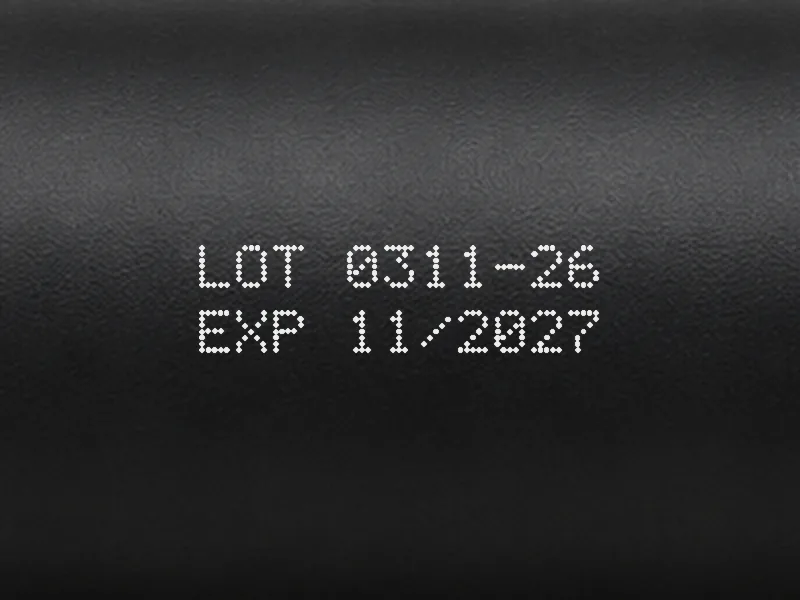 CIJ inks for PVCInks for a variety of PVC surfaces, in Dye and pigmented versions.View ink
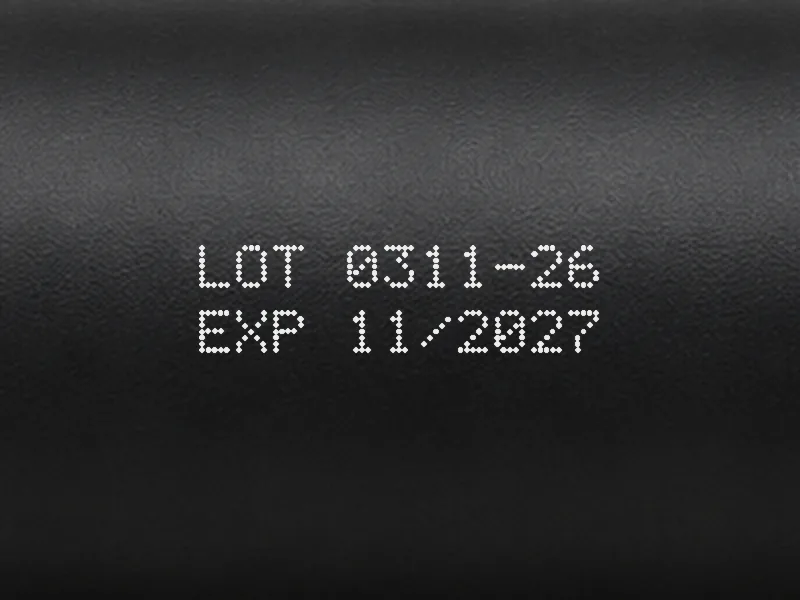 CIJ white pigmented inksPermanent white pigmented inks for dark surfaces.View ink
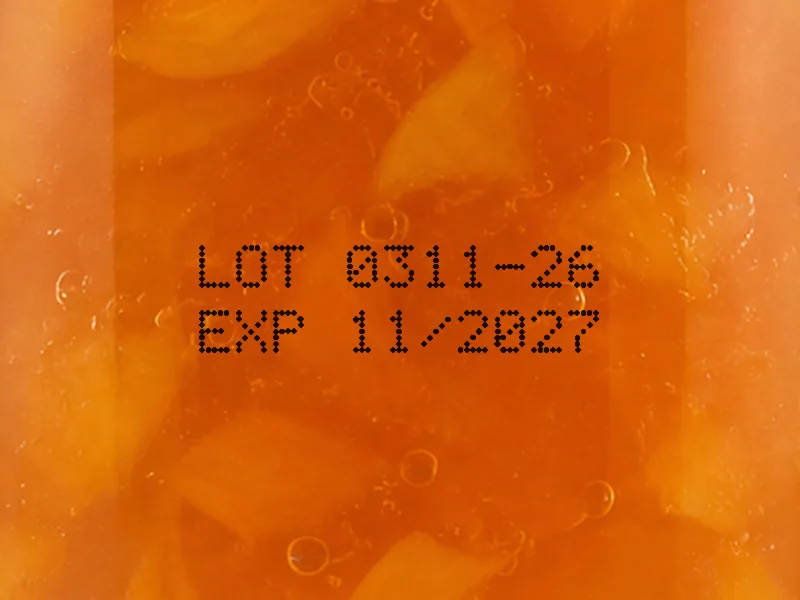 Special CIJ inksInclude versions for silicone and rubber, in black and white.View ink
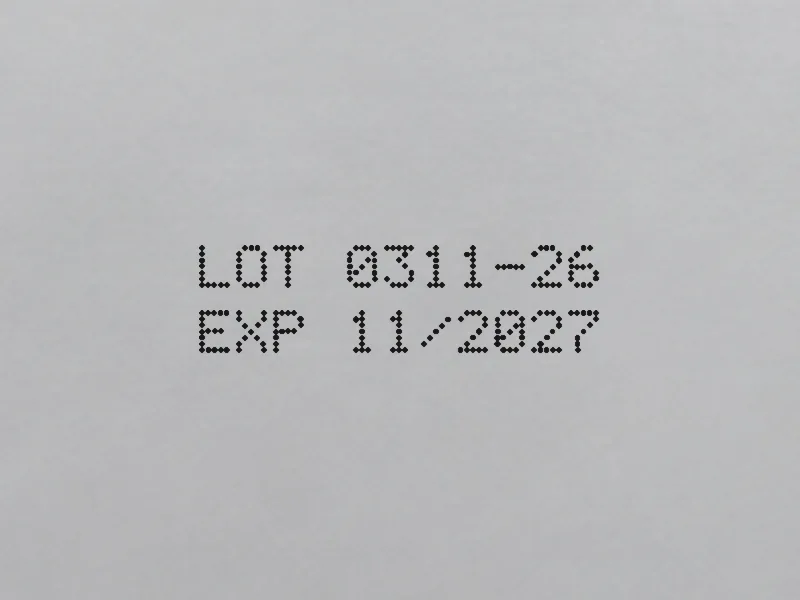 CIJ inks for PP and PEFor PP and PE, with or without pre-treatment.View ink
Frequently asked questions
Which ink should I use on black PVC cable?
A white pigmented CIJ ink or a pigmented PVC ink. We confirm it with a sample of your cable.
Can silicone or rubber be marked?
Yes, there are special CIJ inks for silicone and rubber, in black and white. Adhesion must be tested on your compound.
How do you stop the marking rubbing off?
By choosing the ink chemistry suited to the material and tuning the marking. We validate it on a sample.
Do you mark length?
Yes, by integrating the printer with the line encoder to mark length. We set this up at commissioning.
Which ink do you need?
Tell us your printer and the surface you mark. We will recommend the right ink and send you a quote.