
Coding and marking for chemicals and industrial packaging
Batch, date and reference on drums, jerrycans, buckets, sacks and cartons, even on greasy, curved or low-surface-energy surfaces.
What is marked and where
In chemicals, paints, lubricants, agrochemicals and industrial packaging, polyethylene jerrycans and drums, polypropylene buckets, sacks, cartons and metal containers are coded. The usual data are batch, date, reference and identification text or pictograms.
Typical challenges
- Polyethylene and polypropylene, hard to mark because of their low surface energy.
- Curved, textured surfaces, sometimes greasy or with product residue.
- Marking resistance to chemicals and rubbing.
- Large character sizes on cartons and pallets.
- Solvent-laden environments: printer and inks must be chosen with care.
Recommended technologies
Inks for this sector
A starting point: we always confirm the ink with a test on a sample of your product.
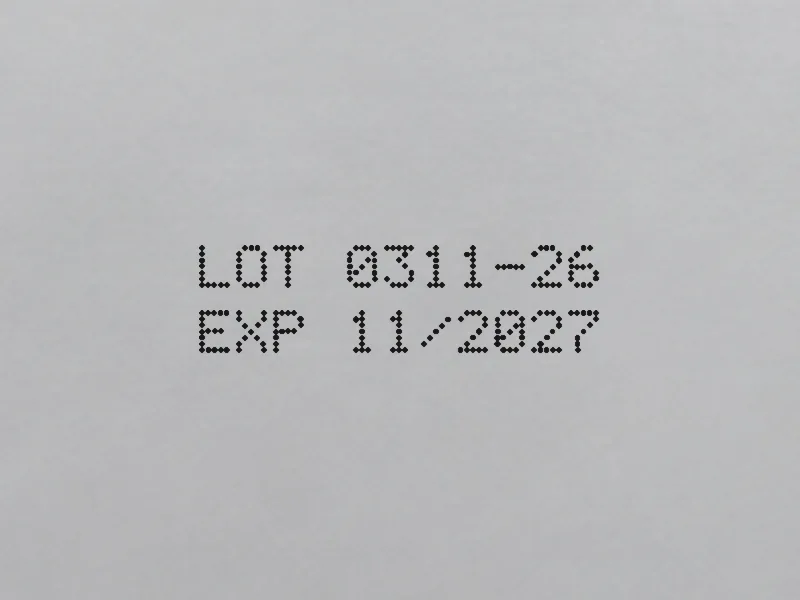 CIJ inks for PP and PECIJ for PP and PE with or without pre-treatment.View ink
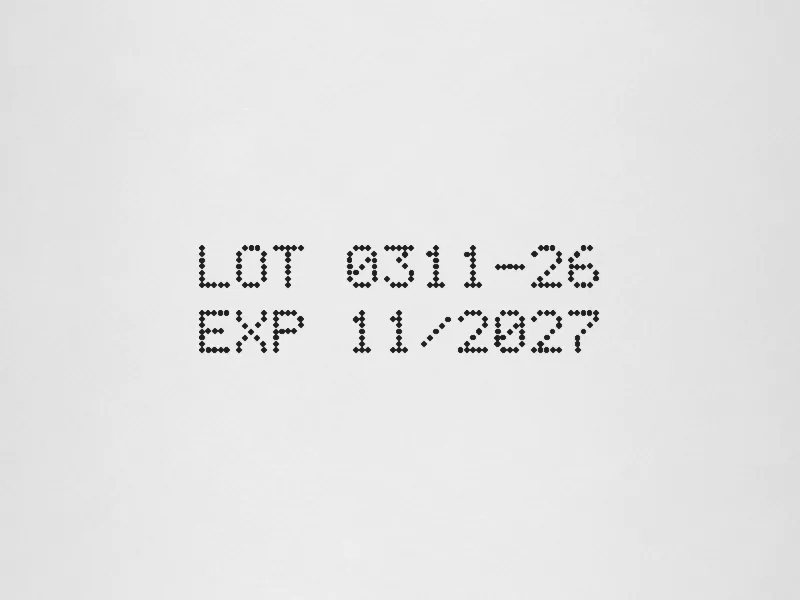 Standard CIJ inksStandard CIJ, Dye and pigmented in several chemical bases.View ink
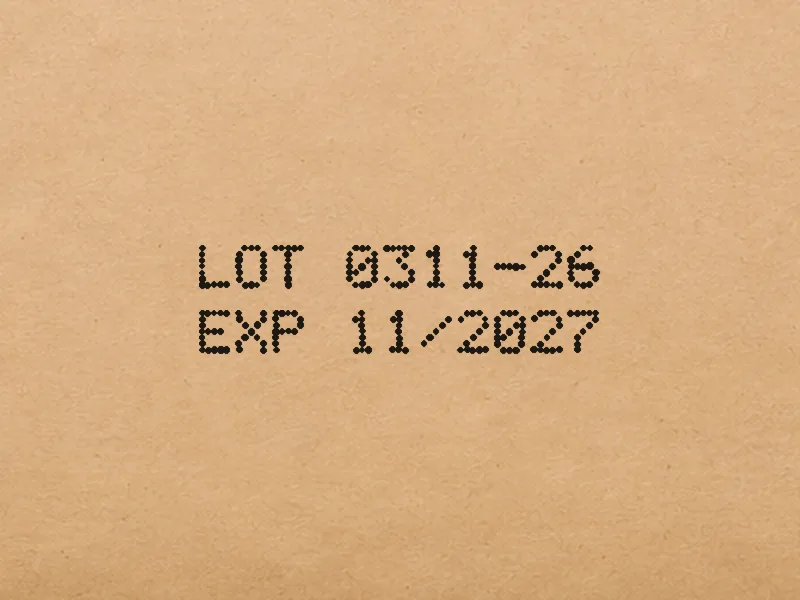 Standard DOD inksStandard DOD for cardboard and other materials.View ink
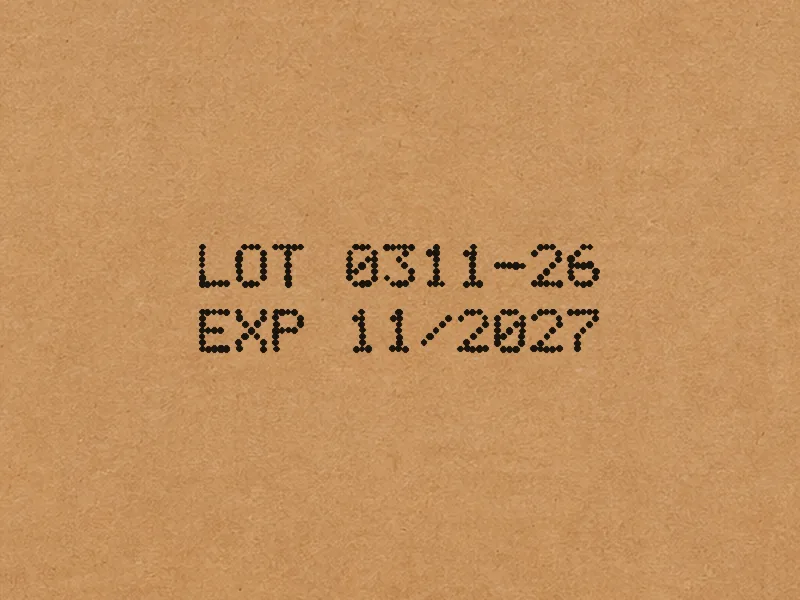 Pigmented DOD inksPigmented DOD with UV resistance.View ink
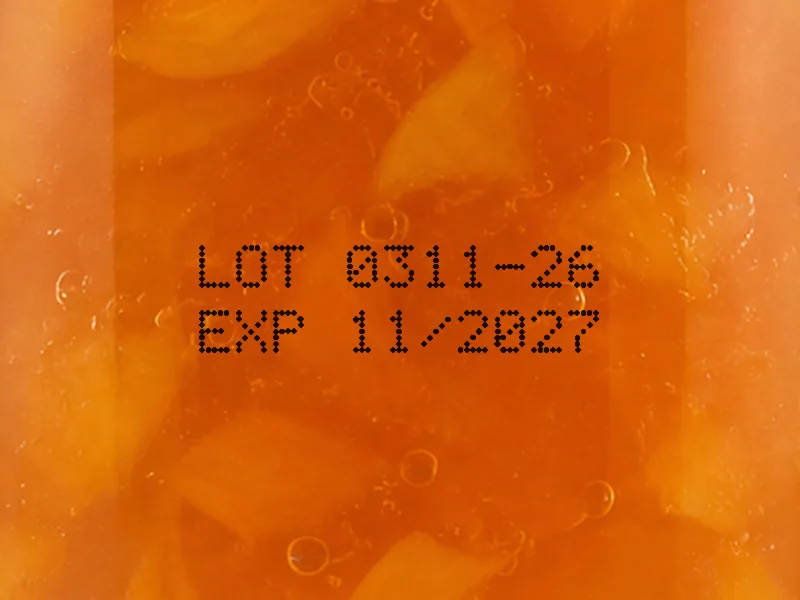 Special CIJ inksSpecial CIJ for demanding materials.View ink
Frequently asked questions
How do you mark untreated polyethylene?
With pigmented CIJ inks for untreated PE and PP. We always recommend a test on your container.
Does the marking resist chemicals?
It depends on the ink and the product. We assess it with a sample, testing resistance under real conditions.
What if the container is greasy?
Dirt affects adhesion. Pre-cleaning and the right ink can help; it is tested on a sample.
Can you mark on metal?
Yes: fibre laser, or solvent-based CIJ and TIJ inks, depending on the case.
Which ink do you need?
Tell us your printer and the surface you mark. We will recommend the right ink and send you a quote.